5月18日至23日,第79届世界卫生大会在瑞士日内瓦举行。本届大会以“重塑全球健康,携手共担责任”为主题。根据世界卫生组织发布的信息,大会代表通过关于脂肪性肝病的决议,确认脂肪性肝病是全球非传染性疾病负担中重要且日益增长的挑战,并呼吁各成员国将脂肪性肝病纳入国家非传染性疾病战略,加强初级卫生保健、监测、公众认知以及预防、筛查、诊断和管理服务。
摘要
PRESS RELEASE Geneva, 22 May 2026
For the first time, liver disease receives formal recognition within the global noncommunicable disease agenda — EASL hails the adoption of WHO resolution EB158/CONF./7 as a turning point for liver health worldwide
Geneva, Switzerland — The European Association for the Study of the Liver (EASL) welcomes the adoption by the 79th World Health Assembly (WHA79) of the resolution “Steatotic liver disease: a missing piece in the global noncommunicable disease response” (EB158/CONF./7). This historic vote marks the first time liver disease has been formally recognised as part of the global agenda on noncommunicable diseases (NCDs) — a milestone EASL and its partners have worked towards for years.
该决议,认识到脂肪性肝病是导致全球非传染性疾病负担增加的一种日益严重的因素。脂肪性肝病以前被称为脂肪肝,影响全球约17亿人口,是全球慢性肝病增长最快的原因之一。这种疾病与肥胖症、2型糖尿病、心血管病和其他代谢疾病密切相关,而酒精相关肝病仍是导致总体负担增加的一种重要因素。如果没有有效的预防和治疗,脂肪性肝病可能会发展为肝纤维化、肝硬化和肝癌,为全球卫生系统带来越来越大的压力。
决议呼吁会员国将脂肪性肝病纳入国家非传染性疾病战略,加强初级卫生保健方法,加强监测,提高认识,促进多部门行动以应对共同的非传染性疾病风险因素,包括不健康饮食、缺乏身体活动和有害使用酒精。决议还呼吁增加预防、筛查、诊断和管理服务的获取机会,特别是增加包括儿童和青少年在内的高风险人群的获取机会。
决议呼吁
Three Asks from Geneva
In closing remarks at the side event, EASL Secretary General Professor Debbie Shawcross outlined three immediate priorities following the resolution’s adoption:
· To Member States: translate their vote into political commitment by prioritising implementation of the WHO resolution at national level
· To health ministries: integrate liver health into national NCD plans by the end of 2026
· To WHO and global partners: incorporate liver health indicators into existing NCD monitoring and accountability frameworks
“The NCD community has fought for decades to put prevention at the centre of health systems. Liver disease has been a missing piece. With this resolution, we have a mandate. Now we need governments to make it count.”
— Professor Debbie Shawcross, Secretary General, EASL
About the WHO SLD Resolution
The resolution “Steatotic liver disease: a missing piece in the global noncommunicable disease response” was adopted at WHA79 on 21 May 2026. It marks the first formal recognition of liver disease within the global NCD agenda and calls on governments to integrate liver health into national NCD strategies and health system planning.
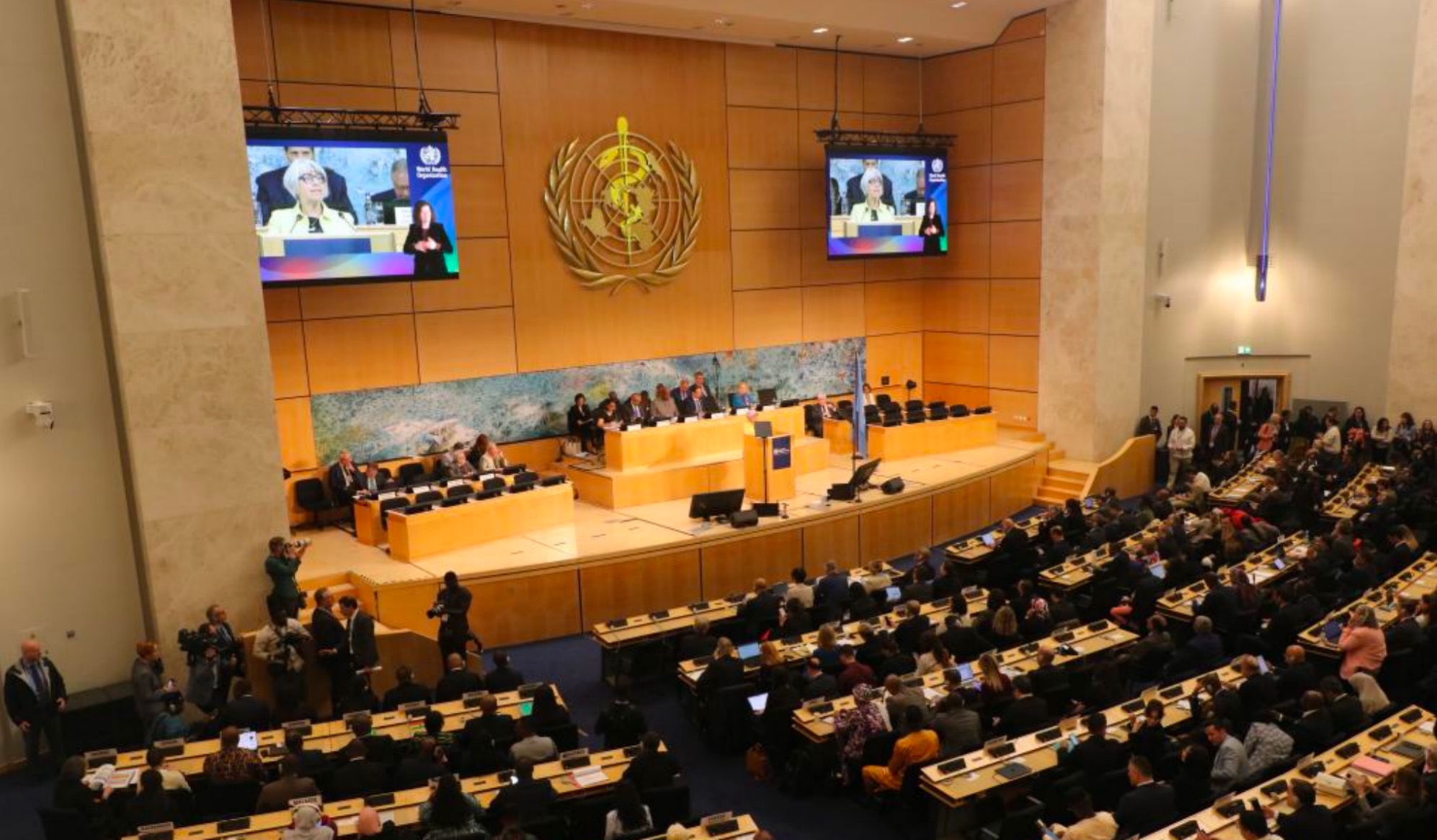
决议还要求世卫组织将脂肪性肝病纳入当前的非传染性疾病防治工作,应各国要求为其提供技术支持,加强与相关合作伙伴的合作,并作为更广泛的全球非传染性疾病议程的一部分,每两年报告一次进展情况。
业内人士认为,脂肪性肝病纳入全球非传染性疾病应对框架,释放出明确信号:肝脏健康将进一步进入国家慢病防控体系,早期筛查和风险分层将成为疾病管理关键,可量化、可重复、患者接受度高的非侵入性评估工具,也将在体检、基层医疗、内分泌、心血管、肥胖管理和企业健康管理等场景中发挥更大作用。
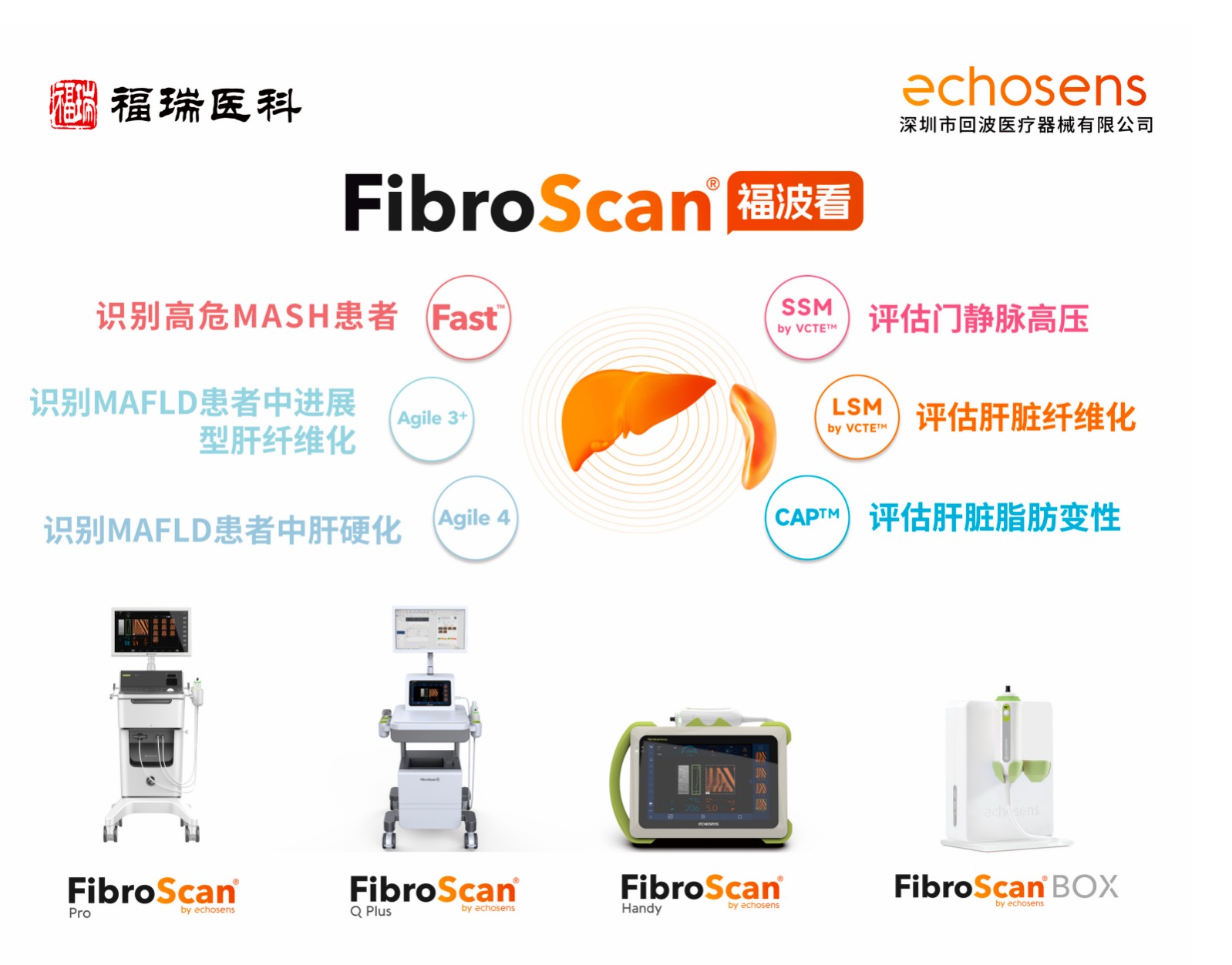
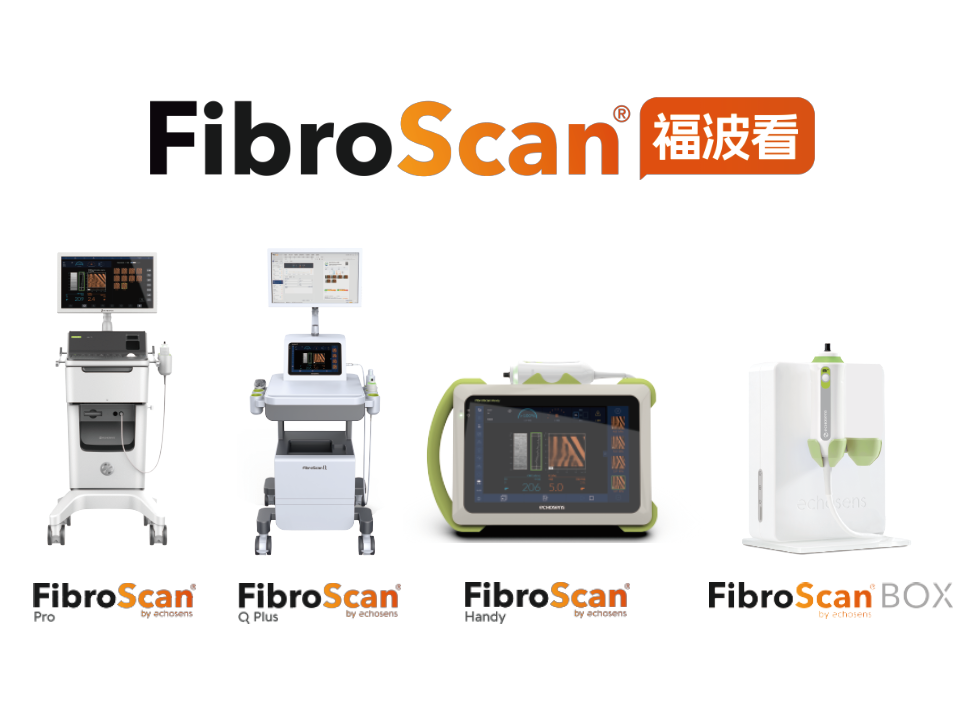
在这一趋势下,以 FibroScan® 为代表的肝脏非侵入性评估技术受到更多关注。FibroScan® 可提供肝脏硬度测量 LSM 和受控衰减参数 CAP,用于肝病评估中的诊断与监测。其中,肝脏硬度测量可辅助评估肝纤维化风险,CAP 参数可辅助评估肝脏脂肪变情况,为医生开展风险分层和长期随访提供量化参考。
这意味着,脂肪性肝病管理的重点不应停留在“是否存在脂肪肝”,而应进一步前移到“是否存在疾病进展风险”。通过标准化、量化的肝脏评估,医疗机构可在结合临床资料、实验室指标和影像检查的基础上,更早识别高风险人群,推动生活方式干预、体重管理、代谢异常控制、专科转诊和长期随访。
从公共卫生角度看,脂肪性肝病防控的关键在于建立连续管理闭环:从公众认知到早期筛查,从风险分层到精准干预,从单次检查到长期随访。随着世界卫生大会相关决议通过,肝脏健康有望从肝病专科进一步走向慢病综合管理体系,成为代谢健康、心血管风险管理和全民健康促进的重要组成部分。
肝脏健康管理的新阶段已经开启。面对庞大的脂肪性肝病人群,越早发现风险,越早开展干预,越有可能降低未来肝硬化、肝癌及相关代谢性疾病负担。政策方向已经明确,临床路径正在形成,非侵入性评估工具也将成为推动肝脏健康管理前移的重要支撑。
资料来源:
世界卫生组织《Seventy-ninth World Health Assembly – Daily update: 21 May 2026》
世界卫生组织《脂肪性肝病:全球非传染性疾病应对工作中缺失的环节》
新华网《第79届世界卫生大会达成系列共识》
欧洲肝脏研究学会 EASL《World Health Assembly Adopts Landmark Resolution on Steatotic Liver Disease》